
From West Virginia Trails to 2028 Olympic Marathon Hopeful
I had the chance to sit down with Phil White, an Athlix run coach, and discuss winning a marathon, why your shoes actually matter, and his sights being set on the 2028 Olympics.
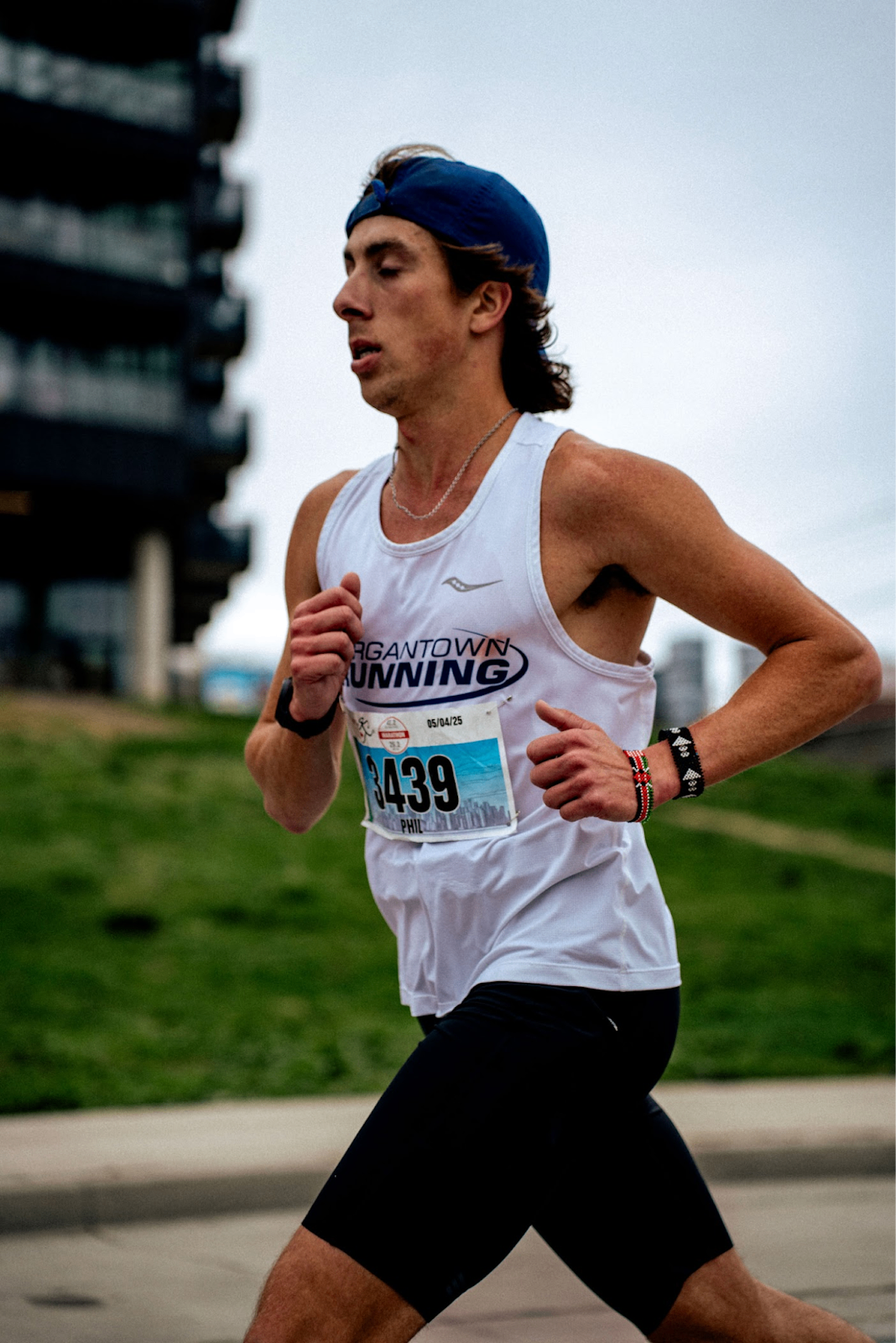
The Accidental Marathon Champion
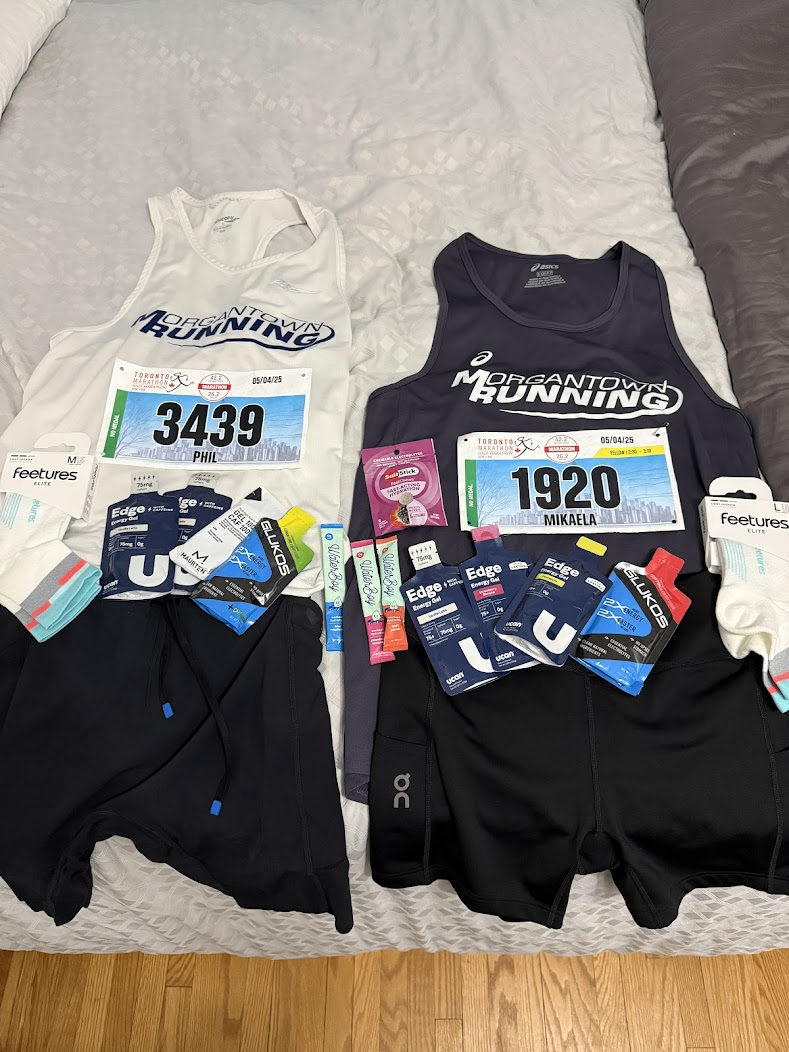
I went into this conversation with Phil knowing very little about him. He was introduced to Athlix through another coach who was an early user of Athlix. I knew Phil had won the 2025 Toronto Marathon, but I didn’t realize he signed up for it on short notice, was underfueled, and went in with the mindset he was going to stay at a comfortable pace. Phil’s girlfriend was heading home to Toronto to run the marathon to qualify for Boston and decided to join her. I think for the majority of people reading this, you either couldn’t finish a marathon, or if you did what Phil did, you’d end up with a time of 5 hours. Oh, and did I mention this was his FIRST marathon with a time of 2:23:58 (for you non runners, that’s a 5:29 pace). To put that into perspective, most recreational runners would struggle to hold that pace for a single mile.
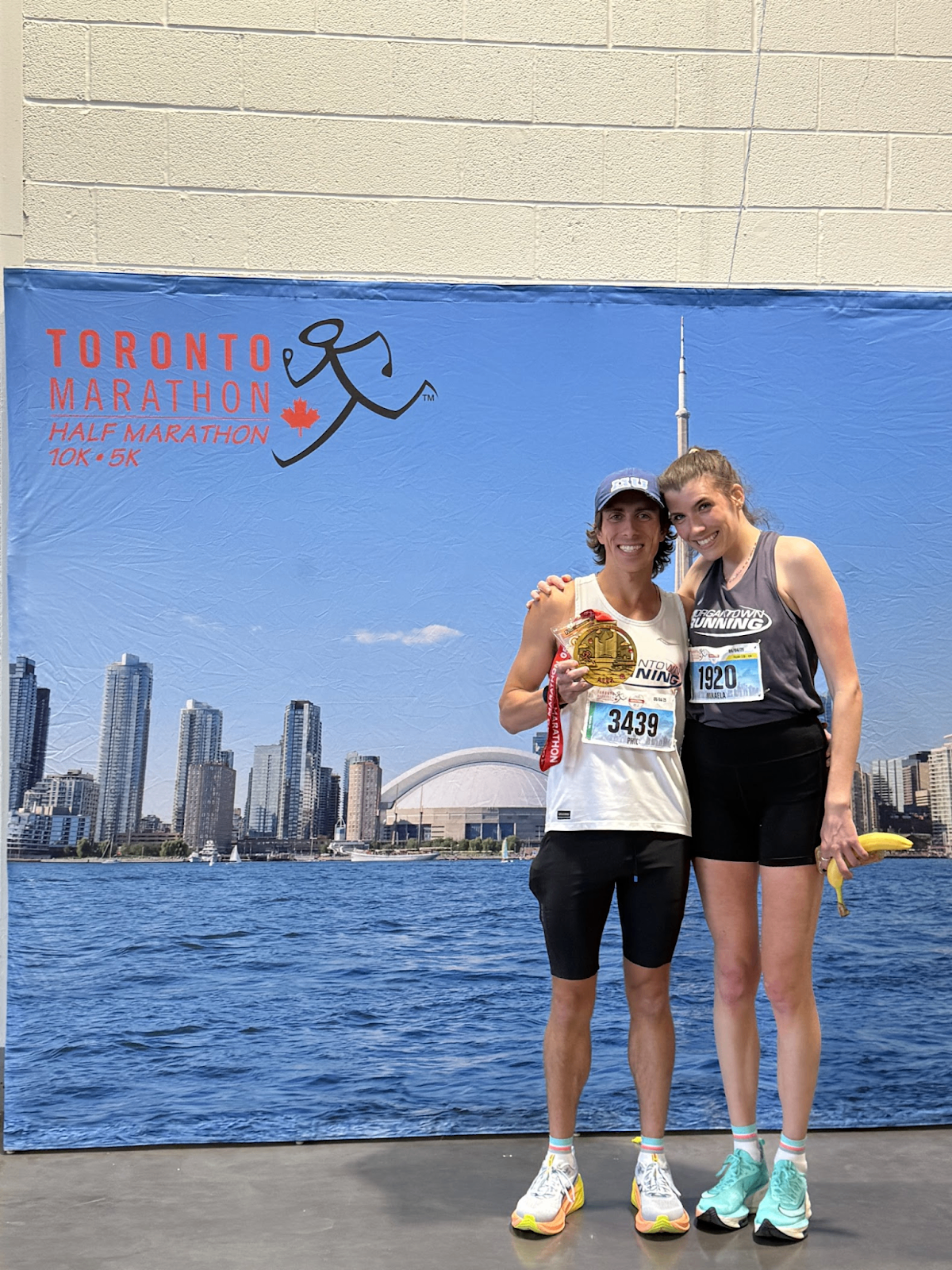
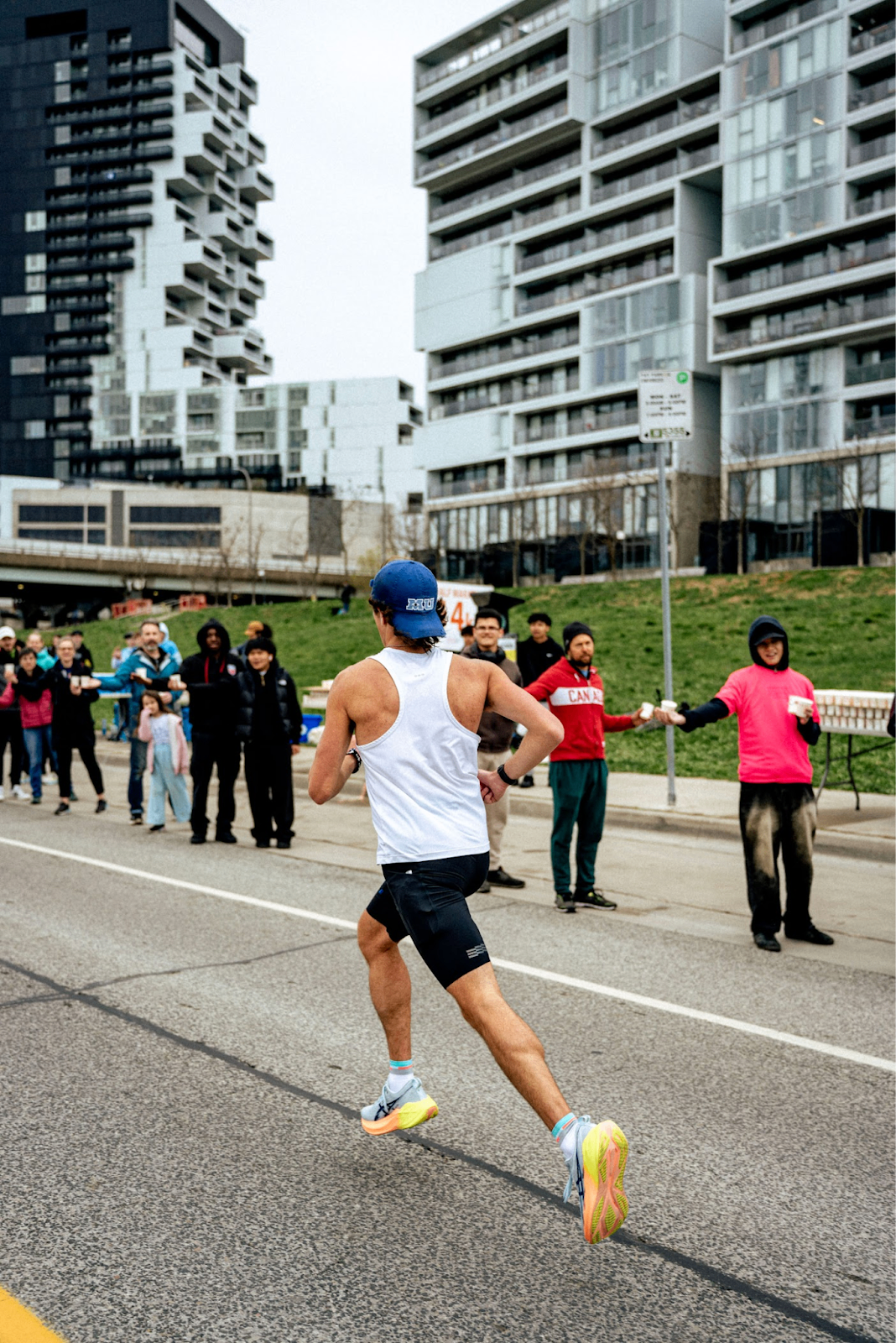
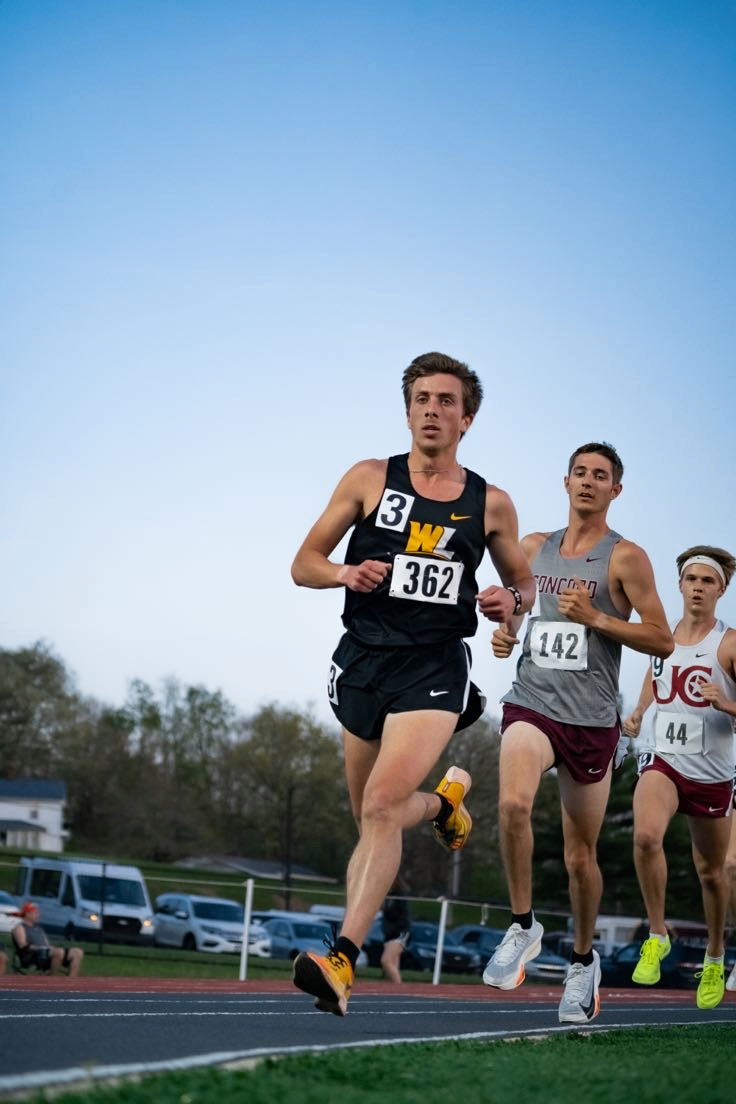
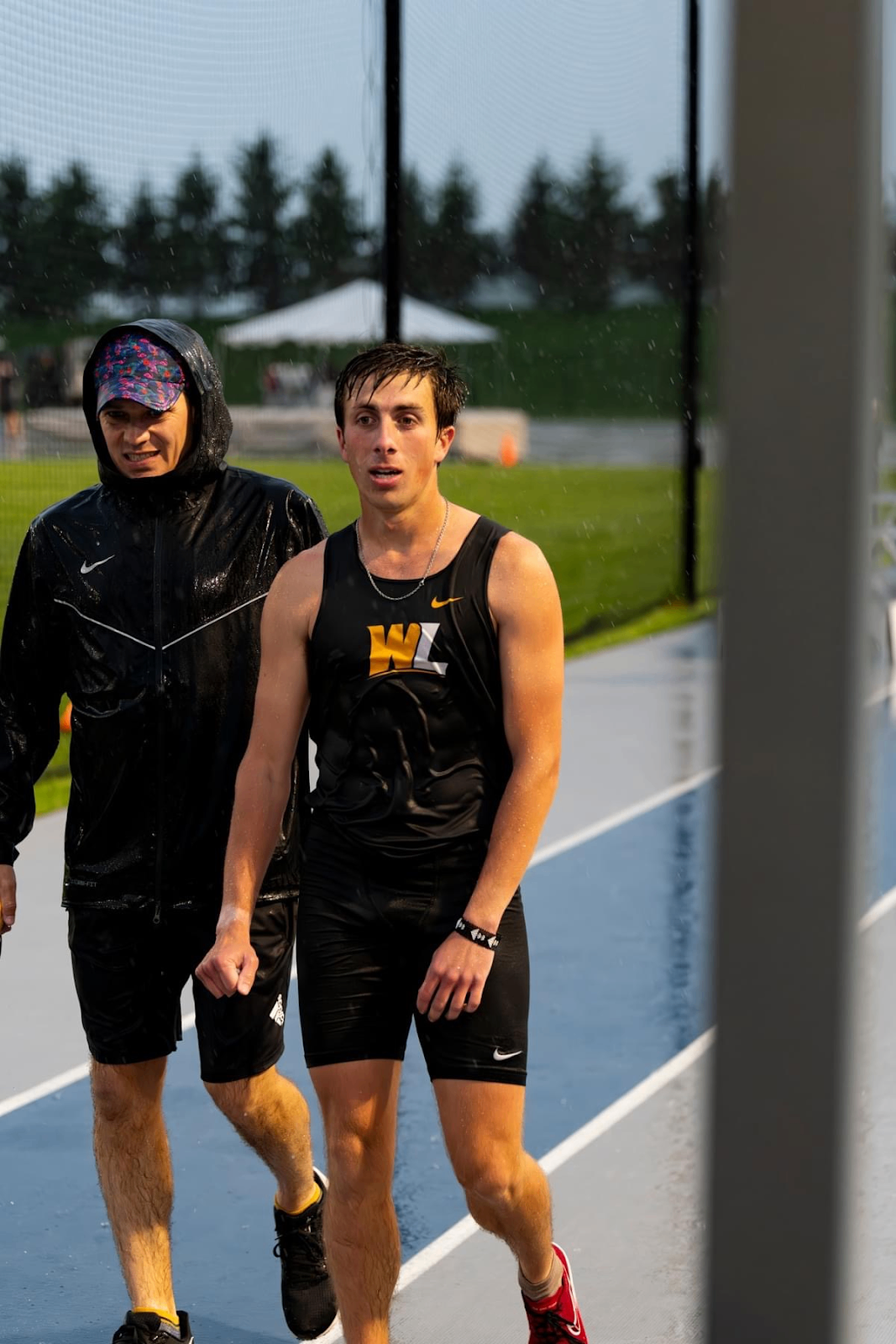
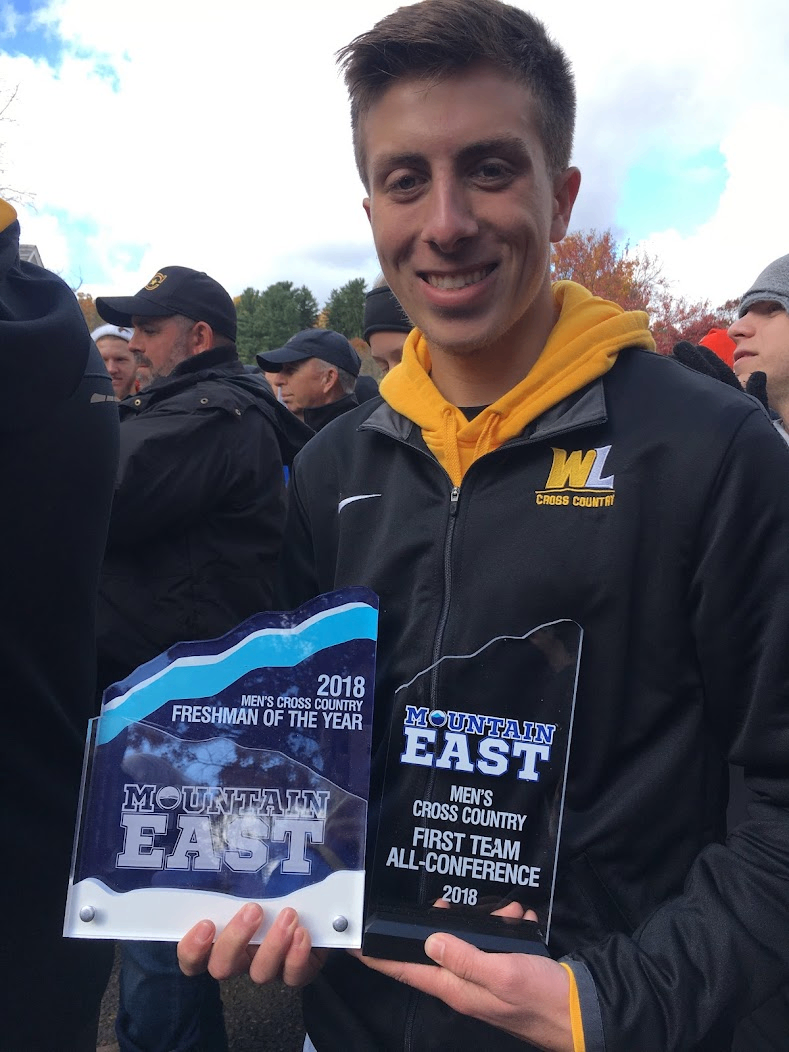
I had Phil take me back to where his running journey started because I couldn’t fathom how in his first casual and underfueled Marathon, he won. Phil started running in seventh grade when his middle school got a cross country team. The kid down the street happened to be the state champion, and his dad recommended running to Phil's parents. Like most boys growing up in West Virginia, Phil wanted to play football as most young boys do, but his mom looked at him and basically said, "How about we don't do that? Let's try running." Turns out, he may not have been built to play football, but he was damn sure built to run.
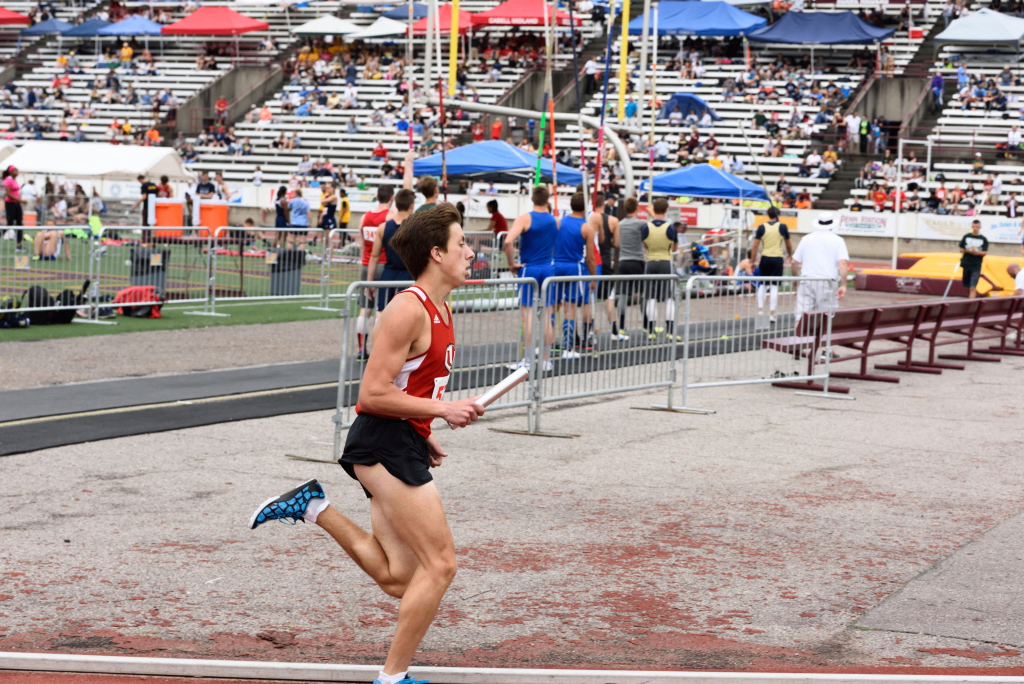
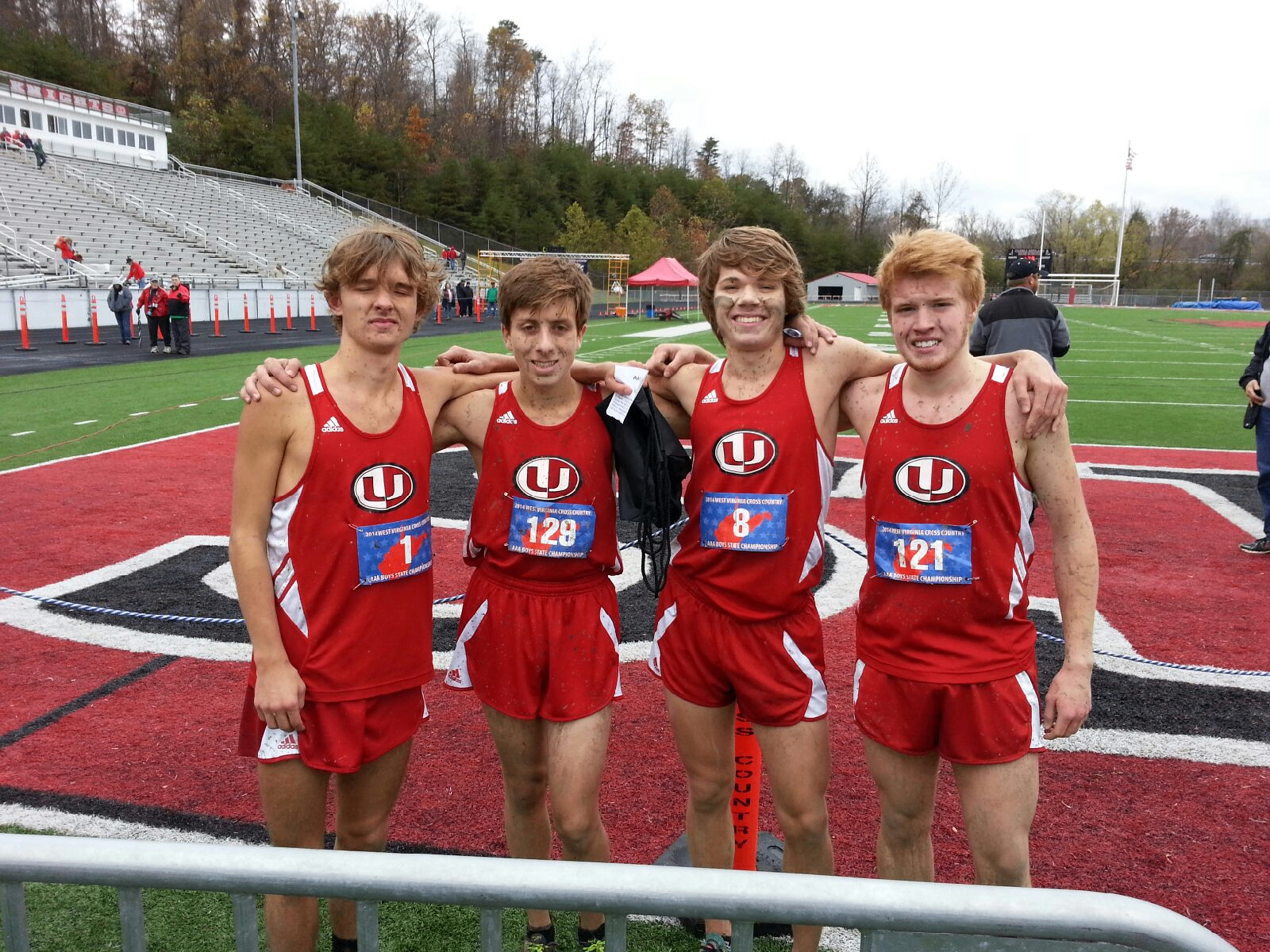
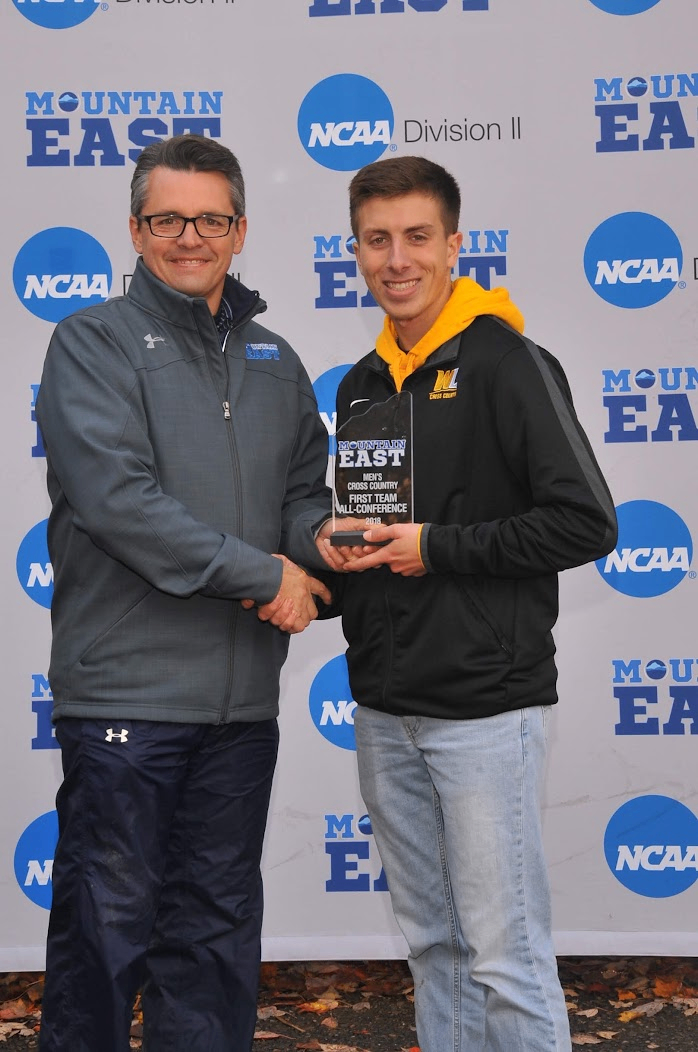
He had a great coach in middle school who kept him motivated, and then a club coach in high school that he followed to college when the coach got a university job. Phil ran under him for five years. After college, he connected with a local D1 coach and started shadowing practices, just trying to learn. That's when things really took off. The coach had two girls training for the Olympics that summer, and Phil asked if he could train with them. He got the green light, started pacing their workouts, and was running 80 to 95 miles a week with intense sessions throughout. That's when he fell back in love with the sport and hit the best shape of his life. So when the opportunity to run a good marathon came up, he took it.
The One-Click-Back Philosophy
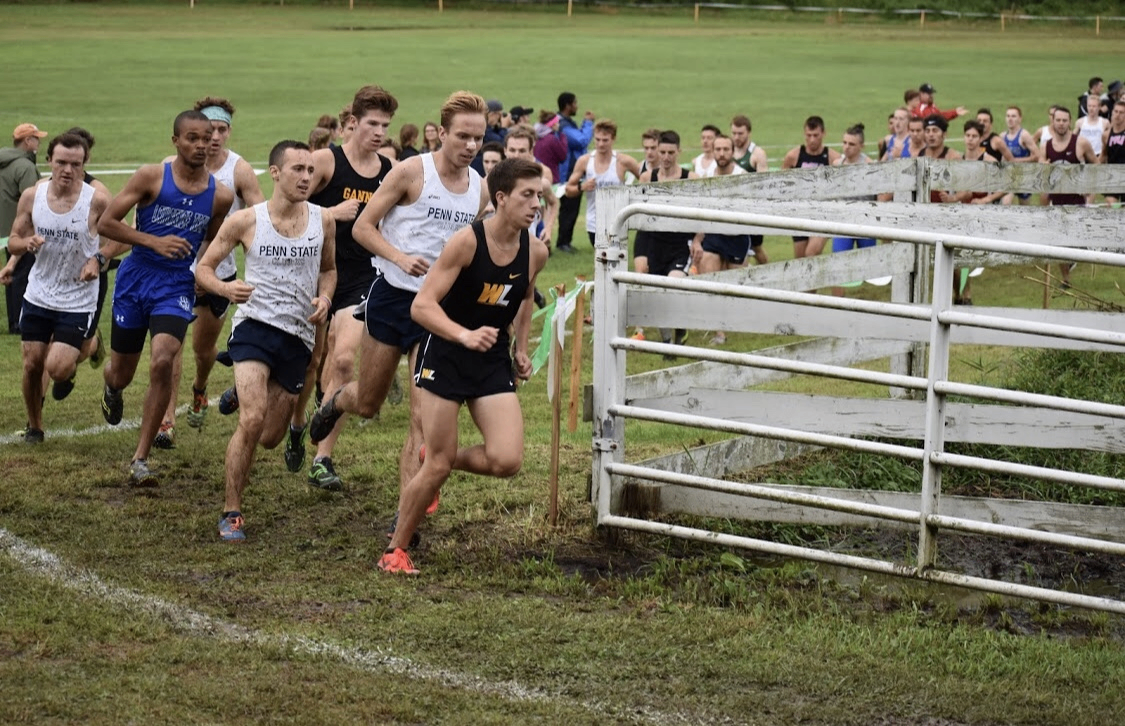
This was one of my favorite parts of the conversation. Phil mentioned his performance sky rocketed once he started training with Olympic-level athletes. Why was this the case? I made the assumption it was just because he was training harder. Nope, very wrong. It was actually counterintuitive to what you normally hear; “dial it back”. Instead of tanking himself twice a week in hard workouts, he started running efforts just one notch below his threshold. Same volume, but roughly 1-2 seconds per 400m slower. He described it like turning down a volume knob by one click.
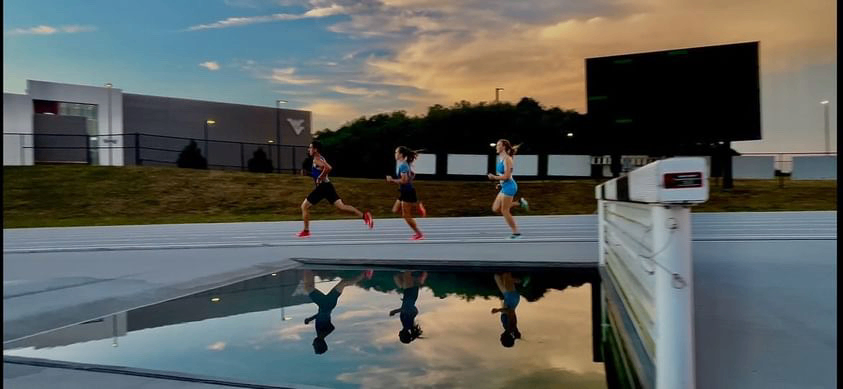
The result was better recovery, more consistent daily training, and sustained improvement without the crash cycles. He's since built this into how he coaches his own athletes. I related to this because when I was training for a half marathon, I saw the most progress when I wasn't killing myself every day. It's one of those things that sounds simple but goes against every competitive bone in your body.
I asked Phil what his advice would be for someone who's never run a marathon and is just getting started. His answer was dead simple: just be consistent. Don't chase volume spikes or heroic long runs. Get out the door regularly, keep it comfortable, and let the progression come naturally.
"The first step is the hardest step. Once you start, you're fine. But you just got to get yourself out the door."
Nutrition: Keep It Simple, Keep It Consistent
I was curious about Phil's nutrition because I think that's one of the areas where people tend to either overcomplicate things or completely neglect them. Phil doesn't count macros. He doesn't weigh his food. He's a creature of habit. Overnight oats for breakfast, a sandwich or second oats for lunch, and a rice bowl with some protein and veggies for dinner. He hops on the scale once or twice a week and adjusts by feel. That's it.
The biggest change for him came after college when he could actually control what he ate instead of being stuck with whatever the cafeteria made. That shift, combined with lower stress levels, made a huge difference in his recovery and performance. I couldn’t relate to that more. Looking back, the food I ate in college while playing Division 1 soccer was horrible. If only I knew then what I knew now I’d have gone pro right? (no, probably not.. lol)
For race day, Phil's approach going into Boston is rice cakes with peanut butter and honey before the race, a gel 15 minutes before the gun, and then one every five miles. He refined this after underfueling at Toronto. On supplements, he keeps it minimal. B12 for energy, a scoop of protein powder in his oats, and iron through food rather than pills after years of managing anemia.
The Shoe Rotation (and Why You Probably Don't Need Carbon Plates)
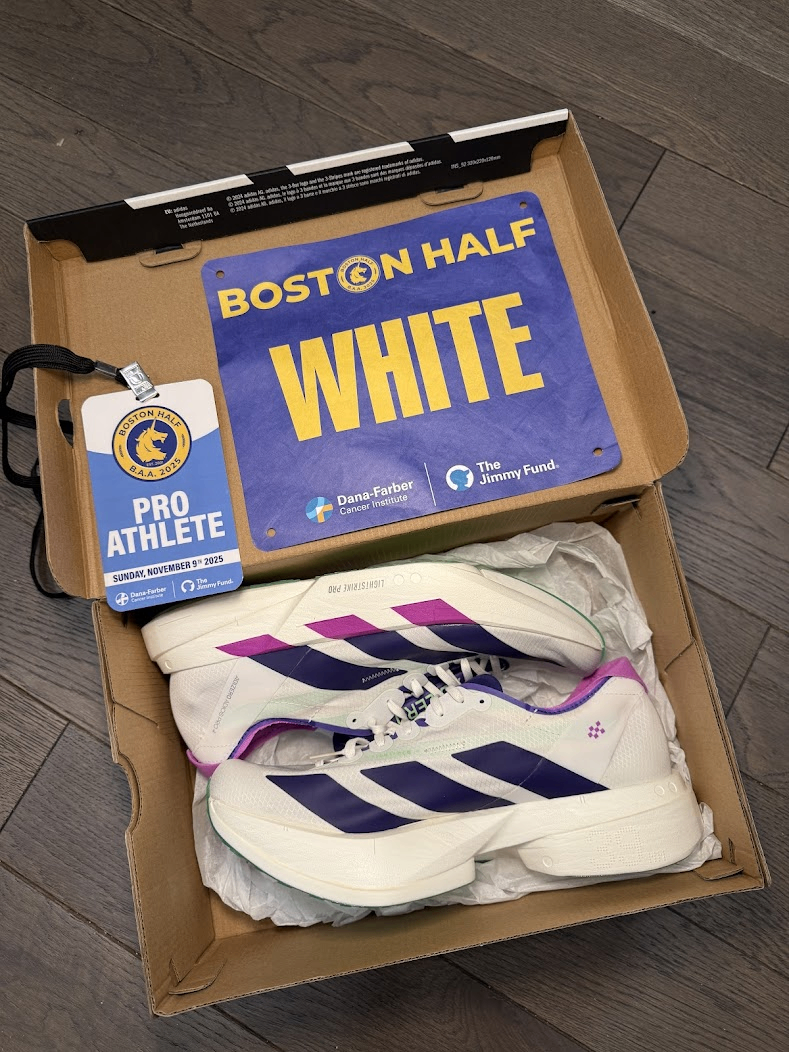
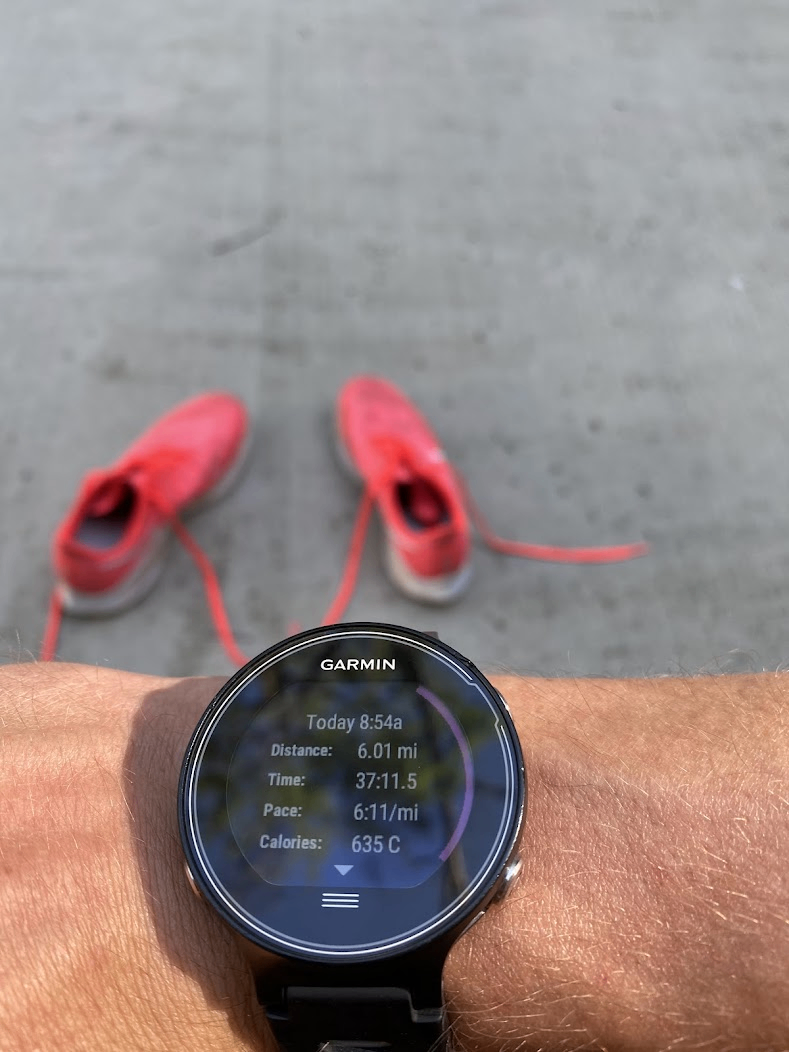
I always think the shoe conversation is interesting because when most people start running, they're buying what looks good. I was guilty of this. Phil rotates through 3-4 shoes, the Adidas Evo SL, Brooks Hyperion Max, Nike Pegasus, and recently Puma's Velocity. He hates anything with arch support, which rules out most Saucony models for him. His top recommendation for marathon runners who don't need a plated shoe? The Evo SL or the ASICS Super Blast, which is what he actually raced Toronto in. No carbon plate.
"I rarely race in a carbon plated shoe. I own three of them. I barely use them."
This one hit home for me. I made the mistake of racing a 5K in a pair of Nike AlphaFlys without training in them and had the worst Achilles tendinitis for three weeks. Couldn't run at all. Phil's take is that unless you're running sub-3:00 in a marathon, you probably won't notice the benefit. And if you're training in them every day, you're actually increasing your stress fracture risk. The magic is in NOT training in them, so that when you put them on for race day, you actually feel the difference, kind of like taking off a weighted vest.
His number one piece of gear advice is dead simple: go get fitted at a running store. They'll look at your arch and how you strike the ground, and you'll find a shoe that actually matches your foot, not just what looks good on Instagram.
Coaching: The Puzzle That Keeps Him Going
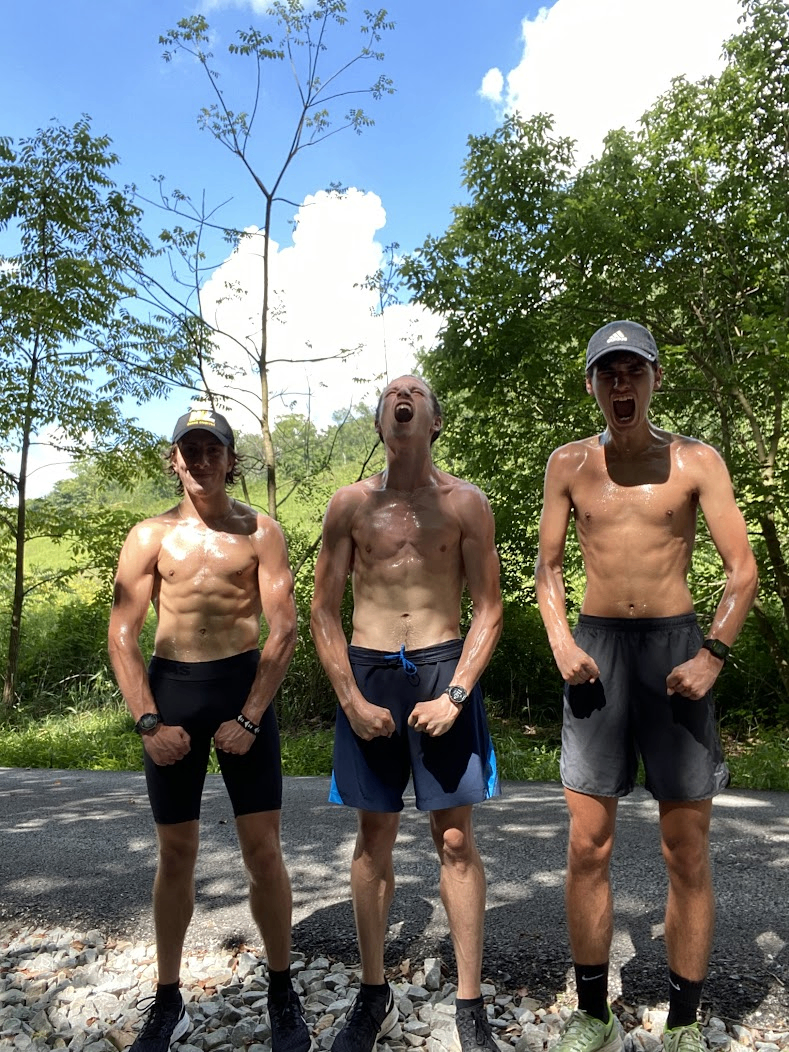
Phil started coaching about four years ago, working with runners here and there between his own training. In the last year, he's really ramped it up. His client roster ranges from a guy trying to break four minutes in the mile to people whose goal is qualifying for the Boston Marathon. He’s found most of his enjoyment out through run coaching.
"When they feel rewarded, I feel rewarded."
He told me run coaching is more of a puzzle. Every runner's body responds differently, and figuring out what works for each individual is what keeps it interesting. The biggest pattern he sees in his clients is one that mirrors his own journey, most of them need to be held back, not pushed forward. That's a hard thing for competitive people to hear, but Phil has learned it the hard way himself, especially after a major crash before a fall half marathon when his new work schedule threw his training into chaos.
What's Next: Boston and the Olympic Trials
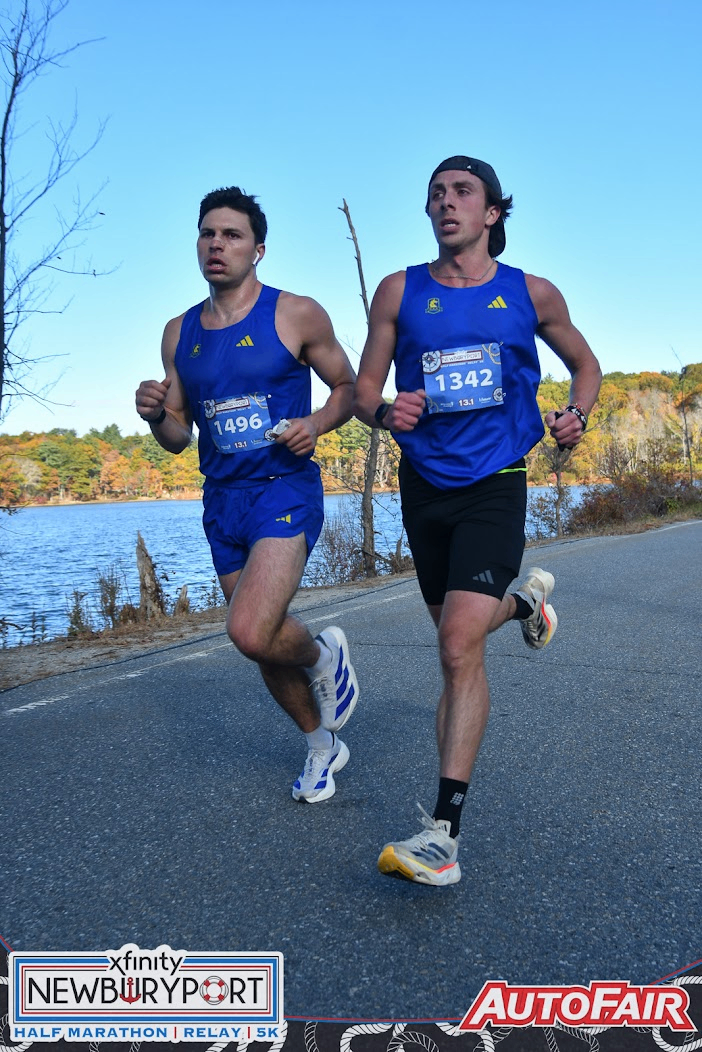
Phil's running the Boston Marathon this spring, but recent anemia setbacks mean he's treating it more as a building block than a breakthrough attempt. The real target? Qualifying for the 2028 Olympic Marathon Trials with a sub-2:16. He has until early 2028 to do it, and he's eyeing a fall race for his real attempt, ideally with a pacer and proper preparation.
In the meantime, he's focused on finding his training sweet spot in Boston's new rhythm and just letting consistency do the work. If there's one thing I took away from this conversation, it's that Phil approaches everything, racing, coaching, nutrition, and gear with the same mindset: keep it simple, stay consistent, and don't force it.
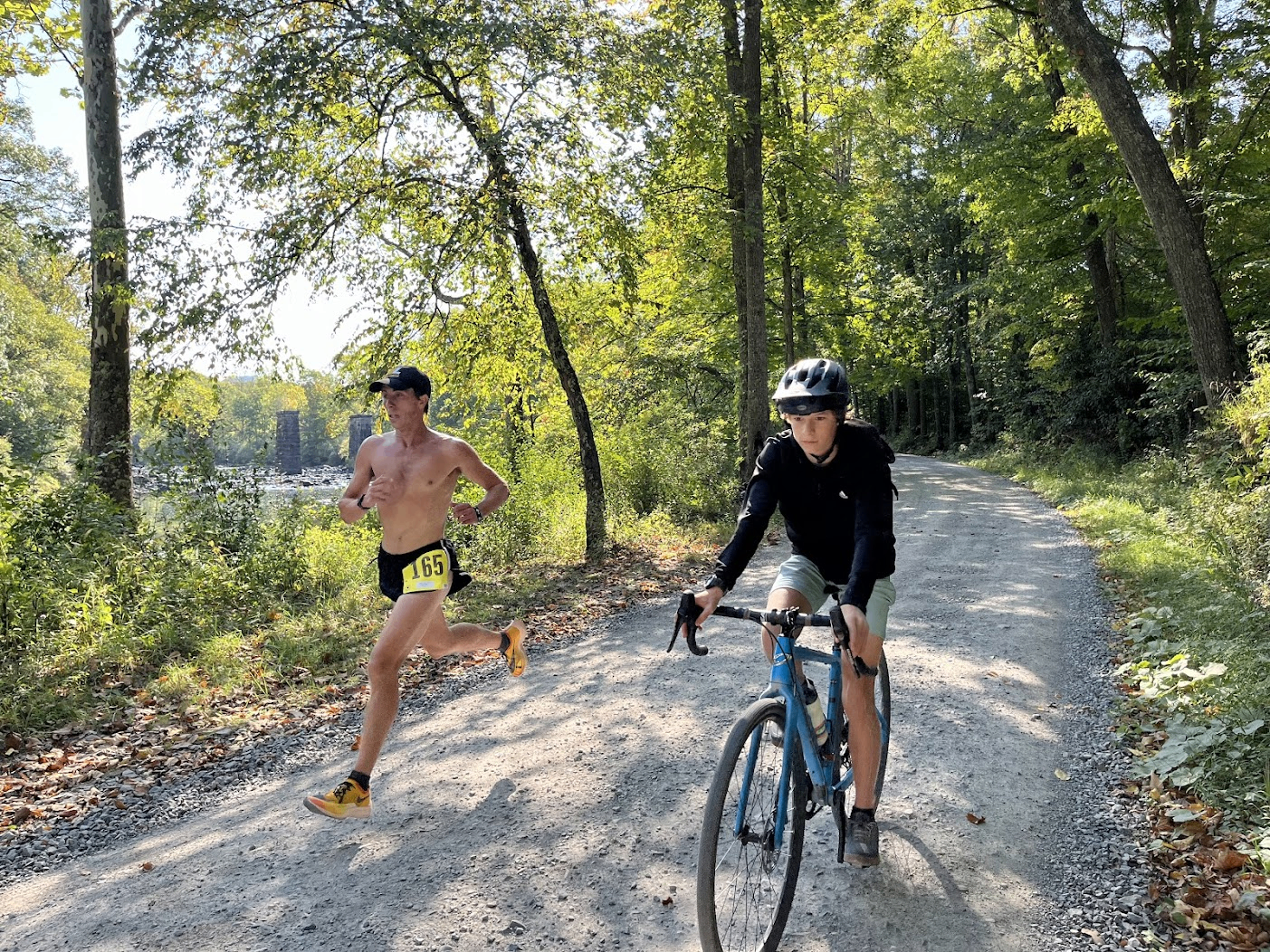

Where to Find Phil
If you're looking for a run coach who's been in the trenches and won a marathon, battled anemia, and loves the puzzle of getting other people faster, Phil's your guy. Whether you're brand new to running or looking to PR your next marathon, you can connect with him through instagram (@phi1_coach) or his Athlix Profile.